
How a Restaurant Group Is Building a Zero Waste Kitchen
Restaurants work with fresh ingredients every day, which makes them well suited to reduce waste through careful planning and consistent kitchen routines. One restaurant group is putting that idea into practice by launching a zero-waste program across all of its kitchens.
The program focuses on practical changes rather than a single solution. Teams are reviewing how they buy, store, prepare, serve, and dispose of food. The goal is to keep ingredients in use for as long as possible and reduce the amount of material sent to landfills.
What a Zero Waste Program Means
A zero-waste restaurant program does not mean that every kitchen will immediately produce no waste. Instead, it creates a system for preventing waste whenever possible and handling unavoidable waste responsibly.
The program uses a waste hierarchy:
- Prevent waste before it enters the kitchen.
- Use ingredients efficiently.
- Reuse safe, suitable food in new preparations.
- Donate eligible surplus food.
- Compost organic scraps.
- Recycle clean packaging and other materials.
- Dispose of only what cannot be recovered.
This approach helps kitchen teams look at waste as an operations issue, not just a disposal issue. A peel, stem, or excess portion may represent a purchasing cost, labor, energy, and transportation emissions. Using more of each ingredient can therefore support both environmental and business goals.
Measuring Waste Before Making Changes
The first step in the restaurant group’s plan is measurement. Each kitchen is tracking what it throws away and why.
Waste is typically divided into several categories:
– Spoiled or expired ingredients
– Preparation scraps
– Overproduction
– Returned or uneaten food
– Packaging
– Used cooking oil
– Broken or unusable items
Teams may weigh food scraps at the end of each shift or record the volume of specific waste streams. These records can reveal patterns that are easy to miss during a busy service.
For example, a kitchen may discover that it regularly prepares more of a side dish than customers order. Another location may find that leafy greens spoil because they arrive in quantities larger than the kitchen can use. With clear information, managers can adjust ordering, recipes, or preparation schedules.
Smarter Purchasing and Inventory
Reducing waste often begins before ingredients arrive. Purchasing teams are working with kitchen managers to improve order planning and inventory control.
Several practices can help:
Ordering Based on Demand
Restaurants can compare orders with sales data, reservations, seasonal trends, and local events. This makes it easier to estimate how much food each location is likely to need.
Ordering smaller quantities more often may also help kitchens manage highly perishable items. While delivery schedules and supplier minimums can limit this option, even small adjustments can reduce spoilage.
Using Standard Storage Systems
Clear labeling and consistent storage locations help employees find ingredients before they expire. Many kitchens use a first-in, first-out system, placing older products where they will be used first.
Labels may include:
– Delivery date
– Preparation date
– Use-by date
– Storage instructions
– Staff initials
These details make inventory easier to manage across different shifts.
Reviewing Packaging
The restaurant group is also reviewing how ingredients are packaged and delivered. Suppliers may be asked to reduce unnecessary wrapping, use returnable containers, or offer recyclable packaging where practical.
Packaging changes need to protect food quality and safety, so the program evaluates each option carefully instead of treating all packaging as avoidable.
Making More Use of Each Ingredient
A major part of the initiative is finding safe, appealing uses for ingredients that might otherwise be discarded.
Vegetable trimmings can be used to make stocks, sauces, or garnishes when appropriate. Bread that is no longer suitable for serving may be turned into crumbs or croutons. Citrus peels can add flavor to syrups or infused ingredients, provided they are handled correctly.
Menus may also be designed to share ingredients across several dishes. For example, a roasted vegetable could appear in a seasonal entrée, a grain bowl, and a side dish. This approach helps create variety while making it easier to use inventory fully.
Chefs are encouraged to test these ideas through small recipe trials. The final dish still needs to meet standards for flavor, appearance, consistency, and food handling.
Managing Portions and Overproduction
Portion control is another focus of the zero-waste program. Oversized portions can lead to more uneaten food and higher ingredient costs. The group is reviewing serving sizes, plate returns, and customer feedback to identify opportunities for improvement.
This does not necessarily mean reducing every portion. Instead, kitchens may offer different sizes, serve sauces separately, or allow customers to choose optional sides. These choices can help diners order amounts that better match their preferences.
For prepared food that is not sold, kitchens are examining whether production can be shifted later in the day. Smaller batches and more frequent preparation may help reduce end-of-service leftovers, especially for items with a short shelf life.
Donation, Composting, and Recycling
Not all surplus food can be reused within the kitchen. When food is safe and suitable, locations may work with local community organizations to arrange donations. Donation procedures typically include clear handling, storage, labeling, and pickup guidelines.
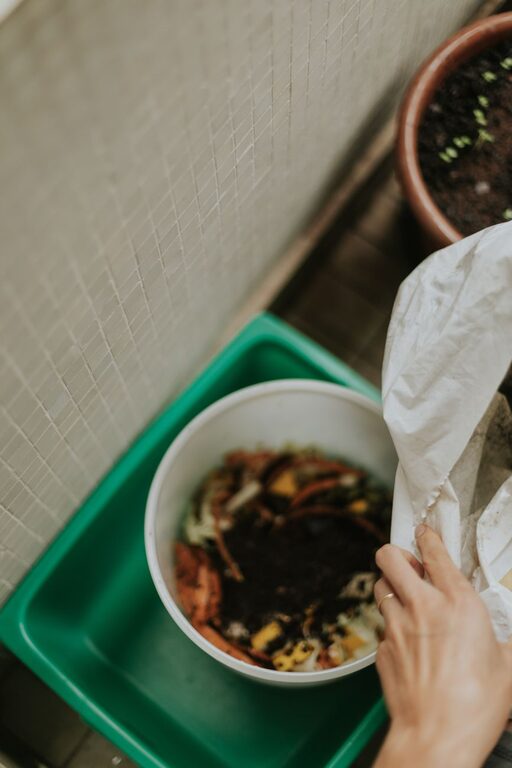
Food that cannot be donated or reused is directed to composting when a suitable service is available. Compostable material may include fruit and vegetable scraps, coffee grounds, eggshells, and certain other organic items.
Recycling stations are being placed where staff can use them easily. Each station may include separate containers for:
– Food scraps
– Cardboard
– Glass
– Metal
– Accepted plastic containers
– General waste
Signs and simple instructions help prevent contamination. If recyclable or compostable materials are mixed with general waste, the entire load may become difficult to recover.
Training Staff Across Locations
A program that works in one restaurant may fail in another if employees do not receive consistent guidance. The restaurant group is therefore including training in its launch plan.
Training sessions cover:
– How to sort waste
– How to label and store food
– How to record discarded ingredients
– How to use new recipes and preparation methods
– How to report problems with suppliers or equipment
Managers can reinforce these lessons during shift meetings and kitchen walkthroughs. Short reminders often work better than a single long training session, particularly in fast-paced environments with changing staff schedules.
Some locations may also appoint a waste lead to track progress and answer questions. Sharing successful ideas between kitchens can help the program improve over time.
Tracking Progress
The group plans to evaluate the program using several measures rather than one headline number. Useful indicators may include:
– Total food waste by location
– Food waste per meal served
– Amount of food donated
– Composting and recycling volumes
– Purchasing changes
– Cost savings from reduced spoilage
– Employee participation
Regular reviews can show which changes are producing results and which need adjustment. A restaurant may have low food waste but high packaging waste, while another may need better portion forecasting. Comparing locations can help teams learn without assuming that one method will fit every kitchen.
A Practical Model for Restaurant Sustainability
A zero-waste program depends on many small decisions made every day. Better ordering, careful storage, thoughtful menu design, staff training, and reliable collection services all contribute to the larger goal.
For customers, the effort may be visible through seasonal menu items, smaller portion options, or information about local partnerships. Behind the scenes, the biggest changes often take place in purchasing and preparation areas.
By applying the program across its kitchens, the restaurant group is treating waste reduction as an ongoing part of restaurant operations. The approach is measurable, adaptable, and focused on actions that teams can maintain during everyday service.