Regional Talent Takes Center Stage at This Year’s Food Festival
A Celebration of Regional Food and Talent
This year’s food festival will bring together chefs, bakers, farmers, and specialty food producers from across the region for a weekend centered on local flavors and culinary traditions. The newly announced lineup highlights both established names and emerging businesses, giving visitors the chance to discover the people and stories behind the food they enjoy.
The festival will feature cooking demonstrations, bakery showcases, producer markets, tasting sessions, and hands-on activities for visitors of all ages. Organizers say the event is designed to be welcoming to curious beginners as well as experienced food lovers.
By gathering so many local food professionals in one place, the festival offers a closer look at how regional ingredients become finished dishes, baked goods, drinks, and pantry staples.
Chefs Bring Regional Flavors to the Main Stage
A selection of chefs from restaurants, cafes, and independent kitchens will lead the festival’s live cooking program. Demonstrations will focus on practical techniques, seasonal ingredients, and recipes that reflect the character of the area.
Visitors can expect sessions covering:
- Simple ways to prepare seasonal vegetables
- Traditional regional recipes with modern presentations
- How to build balanced flavors using local ingredients
- Tips for reducing kitchen waste at home
- Easy meals designed for busy weeknights
The chef lineup includes restaurant owners, culinary instructors, and independent cooks who have developed strong connections with local growers and suppliers. Their demonstrations will give guests an opportunity to see how professionals select ingredients, organize their work, and adapt recipes based on what is available.
Several chefs will also take part in question-and-answer sessions. These informal conversations will allow visitors to ask about cooking methods, ingredient substitutions, and the steps involved in running a food business.
From Classic Dishes to New Ideas
The program is expected to include a broad range of cooking styles. Some chefs will present dishes inspired by long-standing local traditions, while others will share newer approaches shaped by international influences and changing tastes.
This mix is one of the festival’s main attractions. Guests can compare familiar flavors with fresh interpretations and learn how regional food culture continues to develop. The demonstrations will also show that local cooking is not limited to one type of cuisine or one set of ingredients.
Bakers Showcase Bread, Pastries, and Sweet Treats
The baking program will feature independent bakeries, pastry shops, and homegrown brands known for their bread, cakes, cookies, and other handmade specialties. Bakers will display their products, explain their methods, and offer samples throughout the event.
Featured activities may include demonstrations of:
- Hand-shaped artisan breads
- Seasonal pies and fruit-filled pastries
- Decorated cakes and celebration desserts
- Breakfast pastries made with regional ingredients
- Gluten free and other alternative baking options
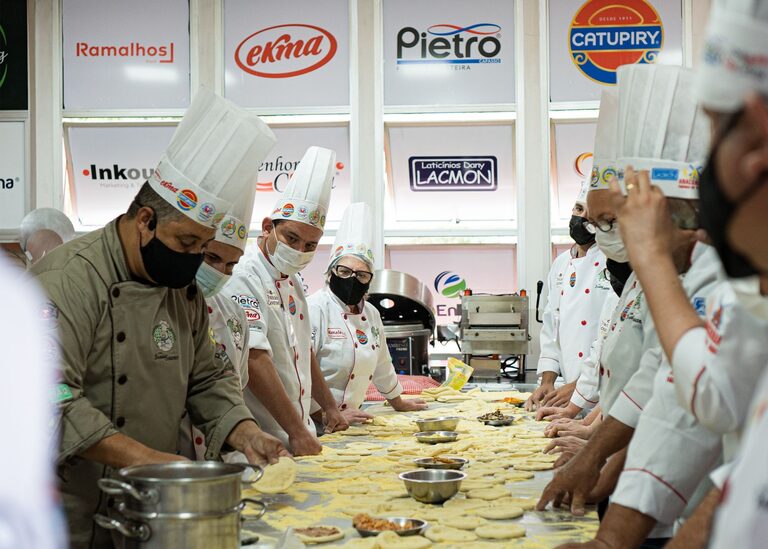
Baking demonstrations are often among the most popular parts of a food festival because they combine familiar ingredients with careful timing and technique. Festival guests will be able to see how dough is mixed, shaped, proofed, and finished, while learning why small changes can affect texture and flavor.
The bakers will also share practical suggestions for home kitchens, including ways to store bread, avoid common pastry problems, and make better use of seasonal fruit.
Local Producers Connect Food With Place
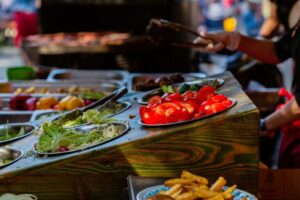
The producer market will introduce visitors to the farms, dairies, orchards, mills, beverage makers, and specialty food businesses that supply ingredients to homes and restaurants across the region.
Many exhibitors will offer samples and explain how their products are made. Depending on availability, the market may include:
- Fresh fruits and vegetables
- Local cheeses and dairy products
- Jams, preserves, and sauces
- Grains, flours, and baked pantry goods
- Honey and other naturally produced sweeteners
- Craft beverages and nonalcoholic refreshments
Meeting producers directly gives visitors a better understanding of where food comes from and how it reaches local stores and kitchens. It also gives small businesses a chance to explain their work, answer questions, and introduce products that may not be widely available outside the region.
For shoppers, the market can be a useful place to find ingredients for future meals. Guests may discover new products, learn how to use them, and speak with the people who grow, make, or package them.
What Visitors Can Expect
The festival schedule will be arranged across several areas, making it possible for guests to move between demonstrations, tastings, and vendor stalls. A central stage will host scheduled cooking presentations, while the market area will provide space for conversations with producers and food businesses.
Visitors should plan to arrive early if they want to attend specific demonstrations. Popular sessions may have limited seating, and some tastings or workshops may require advance registration. The official schedule will provide details about times, locations, tickets, and any age requirements.
A typical visit may include:
- Checking the schedule and choosing a few demonstrations
- Exploring the producer market
- Sampling baked goods and prepared dishes
- Joining a cooking or baking activity
- Speaking with local food professionals
- Returning to favorite vendors before leaving
Guests are encouraged to bring reusable shopping bags for market purchases and to review the event’s guidance on parking, public transportation, accessibility, and payment methods.
A Weekend Built Around Community
Beyond the food itself, the festival provides a place for local businesses and residents to connect. Small producers can meet new customers, chefs can share their experience, and visitors can learn more about the people who contribute to the area’s food culture.
The event also creates opportunities for collaboration. A chef may discover a new supplier, a baker may meet a future partner, or a visitor may find a new favorite neighborhood business. These connections help strengthen the wider food community and keep local traditions visible.
Family activities, educational displays, and relaxed tasting areas will make the festival suitable for a wide range of visitors. Whether guests come for a full day or stop by for a few hours, the lineup offers plenty of ways to explore regional food.
Planning Your Festival Visit
Before attending, visitors should check the festival’s website or social media pages for the latest schedule and vendor information. Lineups can change as businesses confirm their availability, and some demonstrations may be added or adjusted closer to the event.
It may also help to decide what kind of experience you want. Guests interested in learning can focus on demonstrations and workshops. Those looking for new ingredients may prefer to spend more time in the producer market, while families may want to prioritize interactive activities and casual tastings.
With its mix of regional chefs, skilled bakers, and independent producers, this year’s food festival promises a detailed and enjoyable look at the area’s culinary character. It is an opportunity to taste local specialties, learn useful techniques, and meet the people who help bring regional food to the table.