International Coffee Roaster Opens First U.S. Tasting Room
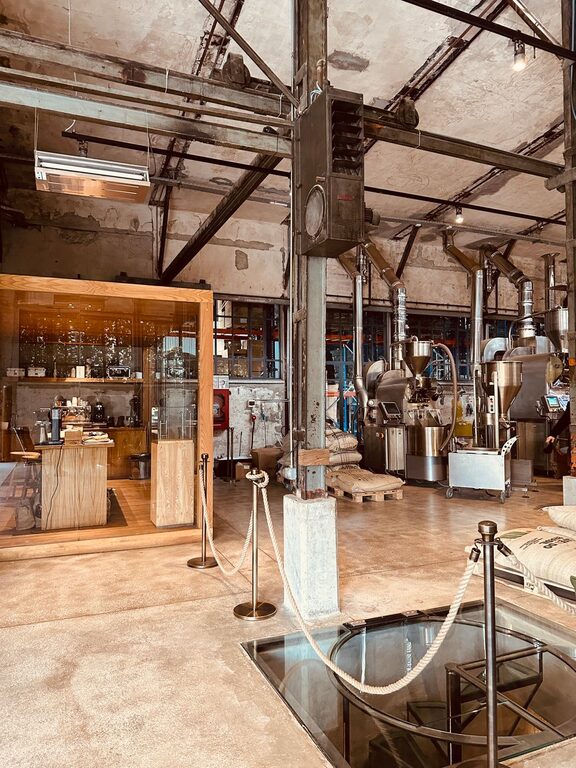
Seattle has welcomed its share of coffee shops, but a new tasting room is bringing a different kind of experience to the city. An international coffee roaster has opened its first U.S. tasting room in Seattle, creating a space where visitors can sample coffees, learn about roasting, and explore the details behind each cup.
The opening gives the roaster a physical presence in the American market while adding a new destination to Seattle’s well-known coffee scene. Rather than focusing only on quick service, the tasting room is designed to encourage visitors to slow down, compare coffees, and ask questions.
A New Kind of Coffee Experience
Traditional cafes are often built around convenience. Customers order a drink, find a seat, and continue with their day. A tasting room takes a more educational approach.
Visitors can expect opportunities to:
– Sample several coffees side by side
– Compare roast styles and brewing methods
– Learn how growing regions affect flavor
– Watch demonstrations from trained coffee professionals
– Purchase beans and brewing equipment
– Ask questions about preparation at home
The setting is intended to appeal to a wide range of guests. Experienced coffee drinkers may enjoy exploring small differences between origins, while newcomers can learn the basics in a relaxed environment.
The tasting room also gives the roaster a chance to explain its approach directly. Packaging and online descriptions can offer useful information, but an in-person visit allows guests to see, smell, and taste coffee before choosing what to buy.
Why Seattle?
Seattle is a natural location for an international coffee company’s first U.S. tasting room. The city has a long history of coffee innovation, a large community of independent cafes, and customers who are interested in how beverages are made.
Coffee is part of Seattle’s daily rhythm, from neighborhood cafes to specialty shops and roasting facilities. The city is also home to a strong food and hospitality industry, making it a useful place for a brand to meet coffee professionals, local customers, and visitors from outside the region.
For the roaster, opening in Seattle may provide more than a retail location. It creates a place to build relationships with customers and industry partners while learning how its coffees are received by U.S. audiences.
The location also adds another layer to Seattle’s coffee tourism. Visitors already explore the city through its cafes and food markets, and the tasting room offers a structured way to learn more about the craft.
What Guests Can Expect
The exact experience may vary by day, but tasting rooms commonly offer guided flights featuring multiple coffees. These flights may highlight differences in origin, processing method, roast level, or brewing style.
A guided tasting might include coffees from several growing regions. Guests may notice contrasts in aroma, acidity, sweetness, body, and finish. These terms can sound technical, but staff can explain them in simple language and help visitors identify the qualities they enjoy.
Some sessions may focus on a single coffee prepared in different ways. For example, the same beans can produce noticeably different results when brewed as a pour-over, espresso, or immersion-style coffee. Comparing those methods helps guests understand how preparation affects flavor.
The tasting room may also include retail shelves with whole-bean coffee, brewing tools, drinkware, and other products. Customers who find a favorite coffee can take it home and try to recreate the experience in their own kitchen.
Connecting Coffee to Its Origins
A tasting room can also serve as a starting point for conversations about coffee’s journey from farm to cup. Coffee is grown in many countries, and each region has its own climate, altitude, farming traditions, and processing practices.
The roaster’s educational materials may introduce visitors to topics such as:
Growing regions
Coffee-producing regions can have distinct environmental conditions that influence the character of the beans. Even within one country, coffees can vary depending on elevation, soil, weather, and farming practices.
Processing methods
After coffee cherries are harvested, the beans must be removed, dried, and prepared for export. Methods such as washed, natural, and honey processing can affect the flavor and texture of the finished coffee.
Roasting choices
Roasting transforms green coffee beans into the aromatic brown beans used for brewing. The length and temperature of the roast influence flavor, aroma, body, and color.
Brewing techniques
Water temperature, grind size, contact time, and equipment all affect the final cup. Small adjustments can change the balance of a coffee, which is why tasting rooms often demonstrate more than one brewing method.
By explaining these steps, the roaster can make coffee preparation feel more approachable. Guests do not need specialized equipment or advanced knowledge to take part.
A Place for Events and Learning
The new space may also support classes, public tastings, and industry events. These programs can help build a regular local audience and give visitors additional reasons to return.
Possible topics for workshops include home brewing, coffee tasting basics, espresso preparation, and equipment care. Events may be useful for both curious beginners and people who already have experience making coffee at home.
A tasting room can also become a meeting place for local chefs, hospitality workers, designers, and food enthusiasts. Coffee is often connected to baking, desserts, breakfast menus, and after-dinner service, so the space may appeal beyond the typical cafe customer.
Tips for Planning a Visit
Anyone planning to visit the Seattle tasting room should check the roaster’s official website or social media pages for current hours, tasting schedules, and event information. Some guided sessions may require advance reservations, while walk-in visitors may be welcome during regular retail hours.
Guests may want to consider the following:
– Set aside time for a guided tasting rather than a quick coffee stop
– Ask staff about coffees that match personal flavor preferences
– Bring a notebook or use the tasting notes provided on site
– Check whether events have limited seating
– Purchase whole beans soon before brewing for the best results
– Ask for storage and brewing recommendations before leaving
Adding to Seattle’s Coffee Landscape
The opening of an international roaster’s first U.S. tasting room adds another perspective to Seattle’s diverse coffee community. It offers visitors a chance to experience coffee as a product, a craft, and a connection between different parts of the world.
For local residents, the tasting room may become a place to discover new coffees and improve their home brewing skills. For travelers, it provides a focused activity that fits naturally into a city known for its coffee culture.
As the space develops, its success will likely depend on more than the quality of the coffee. A welcoming atmosphere, clear education, thoughtful service, and strong connections with the Seattle community will all help shape the experience. For now, the opening gives coffee drinkers a new reason to explore how each cup begins and how much detail goes into making it.