New Regional Food Hall Brings Eight Local Vendors Together
A New Gathering Place for Local Food
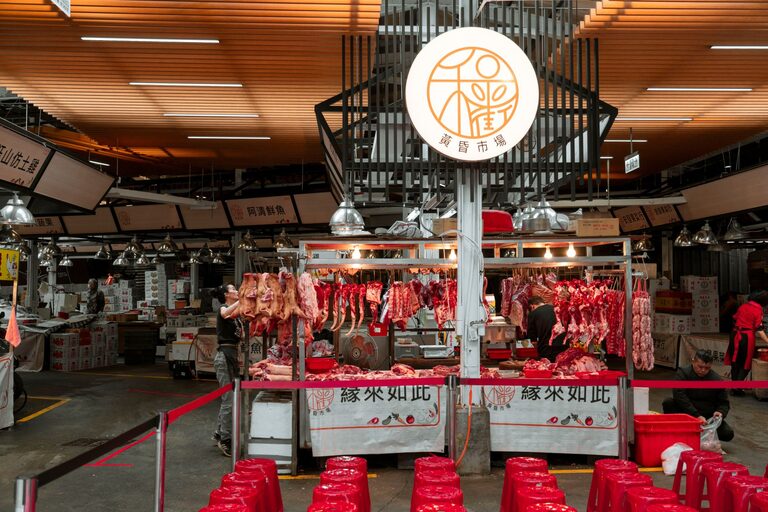
A new regional food hall is bringing eight local food vendors under one roof, creating a convenient destination for casual meals, quick bites, and time with friends and family.
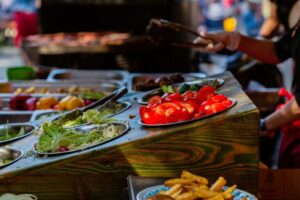
The food hall combines the variety of a market with the relaxed atmosphere of a neighborhood gathering place. Visitors can choose from several menus in one location, making it easier for groups with different tastes to dine together. One person might want a sandwich, another may prefer a bowl or salad, and someone else may be looking for a sweet treat or a locally made drink.
By sharing a central space, the vendors can reach more customers while maintaining their individual styles and specialties. The result is a dining experience that feels connected to the region without being limited to a single type of cuisine.
Eight Vendors, One Shared Experience
The opening lineup represents a mix of food and drink options designed to appeal to a wide range of visitors. Each vendor brings a distinct focus, while the food hall provides common seating, service areas, and space for customers to relax.
The lineup includes:
- A bakery and coffee counter serving pastries, breads, espresso drinks, and other morning favorites.
- A sandwich shop offering toasted sandwiches, wraps, and simple sides for lunch or a quick meal.
- A regional barbecue vendor featuring slow-cooked meats, house sauces, and traditional comfort-food sides.
- A fresh bowl and salad concept built around vegetables, grains, proteins, and seasonal ingredients.
- A pizza counter serving individual pies and shareable slices for dine-in or takeout.
- A global street-food stand with flavorful handheld meals and rotating specials inspired by international cooking.
- A dessert vendor offering cakes, cookies, frozen treats, or other sweets to finish a meal.
- A beverage bar with locally made drinks, refreshing nonalcoholic options, and selections that pair well with the food.
The variety gives visitors a reason to return and try something new. It also allows the food hall to serve different occasions, from a weekday lunch to a weekend family outing.
Designed for Flexibility
A major advantage of the food hall model is flexibility. Customers can order from one vendor or combine items from several counters. A group can share a table while everyone chooses a different meal, avoiding the need to agree on one restaurant or menu.
Shared seating also supports a more informal dining experience. Guests can settle in for a full meal, stop by for a snack, or pick up food to enjoy elsewhere. Many food halls also include open seating areas that can accommodate individuals working remotely, parents with children, and larger groups.
The layout is expected to make the space useful throughout the day. Morning visitors may come for coffee and breakfast, while lunchtime crowds can choose from several fast-service options. In the evening, the hall can become a casual place to meet before or after other activities.
Supporting Small Food Businesses
For independent food businesses, operating inside a shared hall can provide benefits that may be difficult to achieve through a standalone location. Vendors can share certain costs, benefit from built-in foot traffic, and introduce their menus to customers who may not have visited them otherwise.
The arrangement also creates opportunities for collaboration. Vendors may coordinate special menus, recommend one another’s products, or take part in seasonal events. A bakery might supply desserts for a neighboring counter, while the beverage bar could create drink pairings for featured dishes.
This type of cooperation helps create a stronger food community. It gives local businesses a chance to grow while preserving the personal service and distinct identity that often attract customers to independent vendors.
A Place for Community Events
The food hall is more than a collection of counters. Its shared environment can also support local events and activities.
Possible programming may include:
- Weekend tasting events featuring several vendors
- Seasonal markets with local makers and small businesses
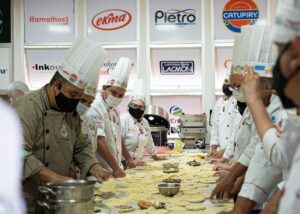
- Cooking demonstrations and food workshops
- Live music or low-key evening performances
- Community meetups and family-friendly activities
- Holiday celebrations and themed dining events
These activities can bring visitors into the hall during slower periods and give regular customers new reasons to return. They also help the venue become part of the surrounding neighborhood rather than simply another place to eat.
What Visitors Can Expect
First-time visitors may want to allow extra time to explore the menus before ordering. Since every vendor has a different specialty, the food hall encourages discovery. Menus may change with the season, and rotating specials can highlight ingredients from nearby farms, bakeries, and producers.
Customers should also expect a mix of ordering styles. Some counters may focus on fast service, while others prepare made-to-order dishes. During busy periods, wait times may vary between vendors, so groups may choose to order separately and meet at a shared table.
The hall’s common seating makes it easy to enjoy food from multiple counters, but visitors should follow posted guidelines about clearing tables and keeping walkways open. Simple courtesy helps the space work well for everyone.
A Fresh Addition to the Regional Dining Scene
The new food hall offers a practical way to experience a broad selection of local food in one visit. Its eight vendors bring variety, while the shared setting creates a welcoming place for meals, events, and casual connection.
Whether visitors are looking for breakfast, lunch, dinner, dessert, or a quick drink, the food hall provides several choices without requiring a long trip between restaurants. More importantly, it gives local vendors a shared platform and gives the community a new place to gather.
As the hall settles into its first season, its success will likely be measured not only by the number of meals served but also by the relationships it builds—with customers, neighboring businesses, producers, and one another.