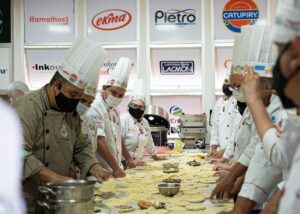
Award-Winning Pastry Chef Opens a Laminated Dough Bakery

A new neighborhood bakery is bringing the art of laminated dough to the center of the community. Led by an award-winning pastry chef, the bakery focuses on croissants, danishes, kouign-amann, and other pastries built from carefully layered dough and butter.
The shop is designed to feel welcoming rather than formal. Customers can stop in for a morning pastry, pick up a loaf for the weekend, or enjoy coffee while watching bakers prepare the day’s offerings. Although the menu highlights classic techniques, the bakery also makes room for seasonal flavors and creative combinations.
A Bakery Built Around Craft
Laminated dough is made by folding butter into dough several times. Each fold creates thin layers that separate during baking, producing a crisp exterior and a light, tender interior. The technique requires careful timing, especially because the butter and dough must remain at the right temperature throughout the process.
For the bakery’s pastry chef, the focus on laminated dough reflects a belief that simple ingredients can create memorable food when they are handled with care. Flour, butter, water, salt, yeast, and sugar form the foundation of many of the shop’s pastries. The quality of those ingredients, along with the baker’s technique, shapes the final result.
The bakery’s small team begins work before sunrise. Dough is mixed, rested, rolled, and folded in stages. Some pastries are shaped the day before and chilled overnight, allowing the flavors to develop while making it possible to offer freshly baked products early in the morning.
What Makes Laminated Dough Special?
The defining feature of laminated dough is its structure. Bakers create alternating layers of dough and butter through a process called lamination. As the pastry bakes, water in the butter turns into steam. That steam helps lift the layers, creating the flaky texture associated with a well-made croissant or danish.
The process usually includes:
– Mixing and resting the dough
– Preparing a flat layer of butter
– Enclosing the butter inside the dough
– Rolling and folding the dough several times
– Chilling the dough between folds
– Shaping, proofing, and baking the pastries
Each step affects the final product. If the dough becomes too warm, the butter can soften and blend into it. If it is too cold, the butter may crack instead of spreading evenly. Bakers must also allow enough time for the yeast to work during proofing, when the shaped pastries rise before baking.
This balance of precision and patience is central to the bakery’s identity. Customers may see a simple crescent-shaped pastry in the display case, but the finished product represents hours of preparation.
A Menu of Familiar Favorites
The opening menu centers on classic pastries with a few modern touches. The plain croissant is expected to be a popular choice, offering a crisp, golden shell and a soft, honeycombed center. Chocolate croissants add dark chocolate to the same basic dough, while almond croissants are filled and topped with almond cream.
Danish pastries provide more room for seasonal ingredients. Possible combinations include:
– Apple and cinnamon
– Cherry and vanilla
– Pear and almond
– Lemon and blueberry
– Apricot and cream cheese
The bakery also plans to offer kouign-amann, a Breton pastry made with laminated dough, sugar, and butter. During baking, the sugar caramelizes around the pastry, creating a crisp, deeply golden exterior.
For customers looking for something less sweet, the menu may include savory pastries filled with ingredients such as spinach, cheese, mushrooms, or roasted vegetables. These options can serve as a quick breakfast or a light lunch alongside coffee and tea.
Seasonal Ingredients and Local Connections
The bakery’s menu will change throughout the year to reflect the availability of fresh ingredients. Summer may bring berry-filled danishes and peach pastries, while fall could introduce apple, pear, and warming spice combinations. Winter menus might feature citrus, chocolate, and nuts.
Using seasonal ingredients gives the pastry team a chance to refresh familiar recipes without losing the techniques that define the bakery. It also encourages customers to return regularly to see what is new.
Where possible, the bakery plans to work with nearby suppliers for fruit, dairy products, coffee, and other ingredients. These relationships can help create a stronger connection between the shop and its surrounding neighborhood. They also give customers a clearer sense of where some of the menu’s ingredients come from.
More Than a Morning Stop
While laminated pastries are the bakery’s main attraction, the space is intended to become part of the neighborhood’s daily routine. A bright seating area, a simple coffee program, and a rotating selection of baked goods create reasons to visit throughout the day.
Morning customers may pick up pastries on their way to work. Families can share a box on weekends, while local residents can use the bakery as a casual meeting place. The shop may also offer larger pastry boxes for birthdays, office gatherings, and other occasions.
Workshops and demonstrations could become another part of the bakery’s community presence. Laminated dough can seem intimidating to home bakers, but a hands-on class can make the process easier to understand. Learning how to roll, fold, and shape the dough also gives customers a new appreciation for the work behind each pastry.
Attention to the Details
The pastry chef’s award-winning background brings experience and recognition, but the bakery’s success will likely depend on everyday consistency. Customers return when the pastries are fresh, the service is friendly, and the quality remains dependable from one visit to the next.
That consistency requires careful planning. Dough must be prepared in stages, ovens must be monitored, and pastries must be baked in quantities that balance freshness with demand. The team also needs to adjust its methods as weather and kitchen conditions change.
These behind-the-scenes details may not be visible to customers, but they are essential to the bakery’s approach. The goal is not simply to produce attractive pastries. It is to create food that tastes as good as it looks and encourages people to slow down and enjoy it.
A Fresh Addition to the Neighborhood
The new bakery offers a focused take on a beloved category of baking. By centering its menu on laminated dough, it highlights the skill, timing, and patience required to create pastries with delicate layers and rich flavor.
At the same time, the shop aims to remain approachable. Customers do not need to understand every step of the baking process to enjoy a warm croissant or a seasonal danish. They can simply stop in, choose a favorite, and discover something new on their next visit.
With a welcoming space, a carefully planned menu, and a strong commitment to traditional pastry techniques, the bakery is poised to become a popular local destination. Its arrival gives the neighborhood a new place to gather—and gives pastry lovers another reason to look forward to the morning.