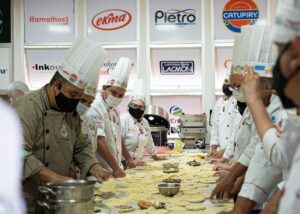
New Culinary Incubator Opens Shared Kitchen for Food Entrepreneurs
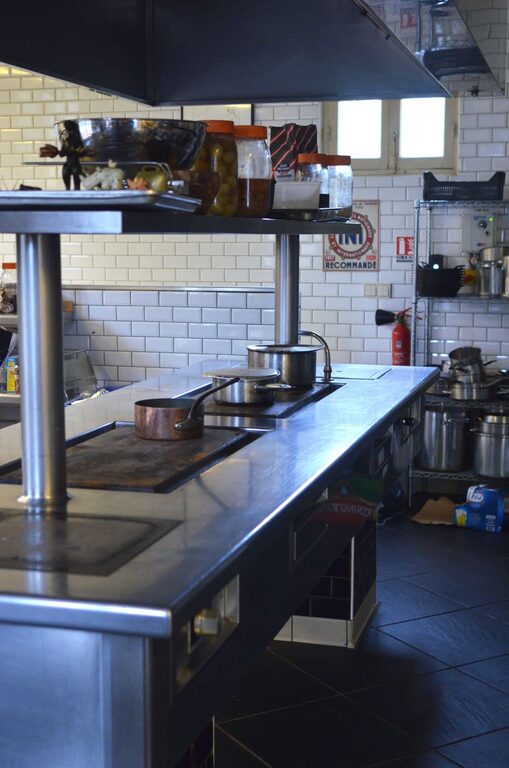
Starting a food business often requires more than a good recipe. Entrepreneurs may need access to commercial kitchen equipment, food storage, preparation space, business guidance, and a reliable place to test new products. For many early-stage businesses, the cost of setting up a private commercial kitchen can be a major challenge.
A new culinary incubator is addressing that gap by offering emerging food businesses access to shared kitchen space and practical support. The program is designed to help food entrepreneurs move from early ideas to market-ready products while reducing some of the costs and barriers involved in getting started.
A practical starting point for food businesses
The culinary incubator provides a professional environment where food entrepreneurs can prepare products, test recipes, develop menus, and build their operations. Instead of investing in a full kitchen at the beginning, participants can use shared facilities equipped for commercial food production.
Shared kitchen programs can support a wide range of businesses, including:
– Baked goods and pastries
– Packaged sauces and condiments
– Catering companies
– Food trucks and pop-up vendors
– Meal preparation services
– Specialty food brands
– Small-scale beverage producers
– Personal chefs and cooking instructors
The flexible setup allows each business to use the space according to its needs. Some participants may need a few hours each week, while others may require regular access for larger production runs.
Commercial equipment without the high startup cost
One of the biggest benefits of a culinary incubator is access to professional equipment. A well-equipped shared kitchen may include ovens, stovetops, refrigerators, freezers, preparation tables, mixers, storage shelves, and cleaning areas.
This equipment can help entrepreneurs produce food more efficiently and consistently. It also gives them the opportunity to work at a larger scale than they could in a home kitchen.
For a new business, avoiding the cost of purchasing and maintaining every piece of equipment can make it easier to manage early expenses. Entrepreneurs can focus their resources on ingredients, packaging, branding, marketing, and customer development.
The shared model also encourages responsible use of resources. Equipment and workspaces are used by multiple businesses, making the facility more efficient than a collection of separate private kitchens.
Support beyond the kitchen
The new incubator is not only a place to cook. It is also intended to provide education and guidance for entrepreneurs who are learning how to run a food business.
Participants may have access to workshops or one-on-one support covering topics such as:
Product development
Entrepreneurs can refine recipes, improve consistency, and gather feedback before introducing products to a broader customer base. Testing in a commercial setting can reveal practical issues related to portion sizes, preparation time, packaging, and storage.
Business planning
A clear business plan can help participants understand their target customers, operating costs, pricing, sales channels, and growth goals. These details are important when deciding whether a product or service is ready for expansion.
Food safety and kitchen procedures
Shared kitchens typically operate with clear cleaning, storage, and scheduling procedures. Training and written guidelines can help participants maintain an organized workspace and follow safe food-handling practices.
Branding and marketing
A strong product also needs a clear identity. Support with packaging, product descriptions, social media, and customer outreach can help small food businesses present themselves professionally.
Sales and distribution
Entrepreneurs may learn about selling through farmers markets, online stores, retail shops, restaurants, catering contracts, and community events. Exploring several sales channels can help a business identify where its customers are most likely to shop.
Building a supportive food business community
Shared kitchen facilities bring together people working on different types of food businesses. This creates opportunities for collaboration, knowledge sharing, and referrals.
A baker may connect with a coffee vendor. A sauce producer may meet a caterer who needs a local supplier. A food truck operator may find a partner for a community event. These connections can help businesses discover opportunities that may be difficult to find while working alone.
The community aspect can also make entrepreneurship feel more manageable. Running a food business often involves long hours and many decisions, especially during the early stages. Being surrounded by other entrepreneurs who understand similar challenges can provide encouragement and practical ideas.
In some cases, participants may also share bulk purchasing opportunities, temporary staff recommendations, or information about local markets and events.
Flexibility for different stages of growth
A major advantage of an incubator model is that it can serve businesses at several stages of development. Someone with a new product idea may begin by booking occasional kitchen time. As demand grows, that entrepreneur may increase production hours or add storage space.
This flexible approach can help businesses grow gradually rather than committing to a large facility too early. It also gives entrepreneurs a chance to measure demand before making major investments.
The incubator may also support businesses that have already begun selling but need more room. A home-based baker, for example, may reach a point where customer orders exceed the available preparation space. Moving production into a shared commercial kitchen can create a more suitable foundation for continued growth.
What participants should consider
Before joining a shared kitchen, food entrepreneurs should carefully review how the facility operates. Important questions may include:
– How are kitchen hours scheduled?
– What equipment is available?
– Is dry, refrigerated, or frozen storage included?
– Are cleaning supplies provided?
– What fees apply to kitchen use, storage, or additional services?
– Are there rules for labeling and packaging?
– Can businesses receive deliveries at the facility?
– What training is required before using the kitchen?
– Is space available for meetings, classes, or product photography?
Understanding these details can help entrepreneurs choose the right plan and create a realistic production schedule.
It is also important for participants to arrive prepared. A written production list, organized ingredients, suitable containers, and a clear cleanup plan can make each kitchen session more efficient.
Strengthening the local food economy
Culinary incubators can contribute to a stronger local food economy by helping small businesses launch and expand. As these companies grow, they may create jobs, purchase ingredients from nearby suppliers, participate in local events, and introduce new products to the community.
The shared facility can also make it easier for residents to turn culinary skills into structured businesses. Instead of remaining at the idea stage, entrepreneurs have a place to test their concepts and learn how commercial production works.
For customers, the result may be a wider selection of locally made foods and more opportunities to support independent businesses.
A launchpad for the next generation of food brands
The new culinary incubator offers more than a place to prepare food. It provides an entry point for entrepreneurs who need professional space, practical tools, and a network of support.
By combining shared equipment with education and collaboration, the program can help emerging food businesses build strong foundations. Participants still face the work of developing quality products, finding customers, and managing day-to-day operations, but they do not have to take on every challenge alone.
For food entrepreneurs ready to turn a recipe or concept into a business, a shared culinary incubator may provide the space and support needed to take the next step.